

What is sufficient and compliant for worker breaks and meals when auditing farms?
Agriculture provides an abundance of circumstances, landscapes, and situations where employees work, live, and rest. This complexity can be a problem when considering a standardised rule or requirement for adequate rest and eating spaces.
When workers are housed between farms and ownership is unclear or disputed?
Auditors must adequately highlight the risks related to the business they are auditing and ensure management commitment to drive improvement, meet the Standard requirements and aim for best practice. It is valuable for the industry and the entire community to ensure continuous improvement.
Balancing Effective Communication and Employer-Employee Relations
Social audits are critical for ensuring compliance with ethical and labour standards in the workplace, particularly in sectors like agriculture, because of their high dependence on the labour force. One of the key components of a successful social audit is the process of interviewing employees. According to guidelines from the Association of Professional Social Compliance Auditors (APSCA) and the SIZA Audit Process and Methodology, how auditors conduct interviews can have a lasting impact on workers and employers. The key lies in conducting interviews effectively without damaging the trust and relationship between workers and their employers.
The Importance of Environmental Stewardship
Environmental stewardship in agriculture involves incorporating good and best practices into the management systems that oversee agricultural activities. The need for these practices arises from the valuable ecosystem services that a healthy and functioning ecosystem brings to agriculture.

What are the Pest Control Operator regulations, and why are they important?
South African agriculture is undergoing significant regulatory changes concerning the use of agricultural remedies, particularly those classified as “restricted agricultural remedies”. These changes underscore the crucial role of the registered Pest Control Operator (PCO) in ensuring the safe and responsible management of pests while safeguarding human health and the environment. A PCO is defined by the Pest Control Operator Regulations 2011 under the Fertilizer, Farm Feeds, Agricultural Remedies and Stock Remedies Act No. 36 of 1947. For many years, these regulations were not enforced due to the lack of definitions for “restricted agricultural remedies”. This changed in 2023 when the “Regulations relating to agricultural remedies” were published, defining a new class of restricted remedies which apply to PCOs.
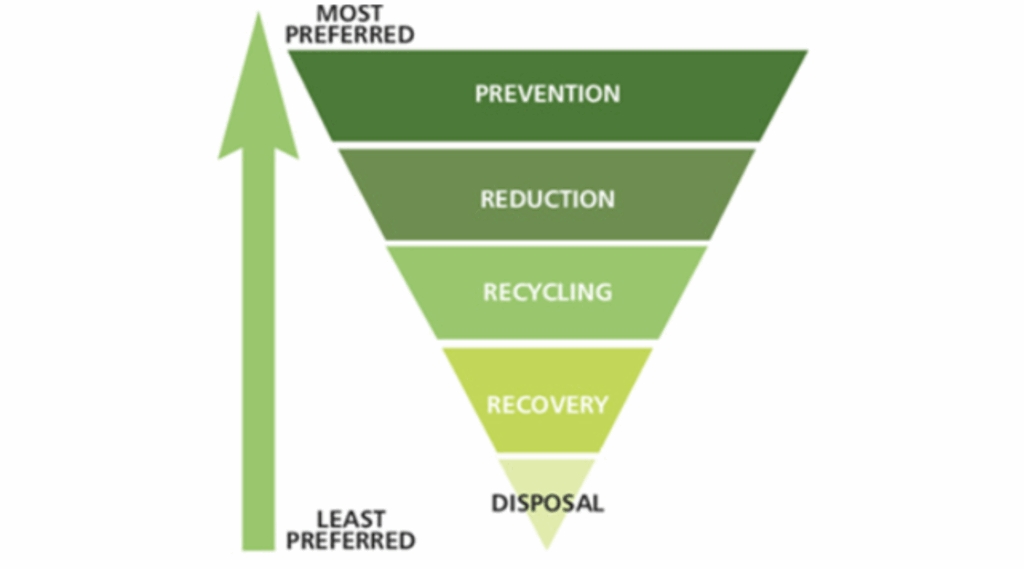
When Remote areas propose challenges to Waste Management
Waste management in line with good practices and legislation is necessary and a crucial part of any business in agriculture because the irresponsible disposal and management of waste can harm the environment. The Waste Management plan of the supplier, which includes the methods of waste management for the specific waste streams identified, should be done in accordance with and consideration of the locality and availability of services for the production or processing site. The waste management hierarchy should be followed as far as reasonably practicable when deciding what waste management methods are to be adopted.

What do we need to know when it comes to auditing Soil Practices?
One of the main focuses of sustainability is to preserve key resources. Agriculture faces various challenges related to soil degradation through overplanting, overgrazing, clearing of natural vegetation to ensure that more agricultural development can occur, and much more. The SIZA Environmental Standard highlights soil as a key element and resource to the supplier and the agricultural environment in which they operate. Certain human activities can cause negative impacts on the environment, and one of those impacts a supplier can have is soil erosion. Soil erosion can be defined as the topsoil, the top layer of soil that is the most fertile, getting carried away by natural or human activities and causing environmental harm.

Data-driven farming: Putting the "value" in the agricultural value chain.
Despite the promise of data, the Global and South African agricultural sectors face an industry-wide challenge of data fragmentation. At this industry scale, data value is subject to six dimensions of data quality: timeliness, accuracy, consistency, completeness, uniqueness, and granularity. Suppliers often use multiple recordkeeping platforms, each with different standards and metrics. With multiple recordkeeping…

Integrated Farm Management: When the whole is greater than the sum of its parts.
Integrated Farm Management (IFM) is a holistic approach to agriculture that boosts productivity, enhances environmental sustainability, and supports social wellbeing. By viewing the farm as an interconnected system, IFM helps optimise resources, reduce input dependency, and improve resilience. The SIZA Environmental Standard—together with the LEAF bolt-on audit—actively supports IFM principles, offering farmers a streamlined, cost-effective way to meet global market expectations and sustainability goals.
