• About
  • Why SIZA
  • Standards
  • Audit Process
  • SIZATrack360
  • Training & Support
  • Grievances
  • SIZA Connect
  • Contact
  • info@siza.co.za
  • Helpline: 086 111 1568
  • WhatsApp Line: 067 083 1640
  • MySIZA Platform
The Sustainability Initiative of South Africa (SIZA) The Sustainability Initiative of South Africa (SIZA) The Sustainability Initiative of South Africa (SIZA)
  • About
    • Managing SIZA
  • Why SIZA
    • Subscription Levels & Costs
    • Terms & Conditions
  • Standards
    • Reviewing Standards
    • Audit Process Methodology
  • Audit Process
    • Completing the SAQ
    • Choosing An Audit Firm
    • Audit Execution
    • Audit Frequency & Between Audit Monitoring
    • Audit Disputes Process
  • SIZATrack360
    • SIZATrack360 Resources
    • SIZATrack360 FAQs
    • Tracking Impact Data – M&E Reports
  • Training & Support
    • Upcoming Training
    • Resources
  • Grievances
  • SIZA Connect
    • Newsletters
    • Logo Usage
  • Contact

SIZA Connect

  • Home
  • SIZA Connect

What has SIZA been up to since April 1st 2025?

Sites Visited
0
Kilometers Travelled
0
Days of In-Person Training Sessions
0

SIZA Spotlight

Staff Awards - March 2026

At the end of each period, SIZA hosts a staff meeting to reflect on recent achievements and recognise team members who have gone above and beyond in various areas.
_Social Media Content Oct 2025

SAQ Superhero

Kara du Toit
Master of reviewing SAQs
WhatsApp Image 2025-11-21 at 12.56.21

Admin Ninja

Matthew Wessels
Slicing through admin tasks like a pro
7Staff Awards May

Follow-Up Phenom

Leam Soomar
Following up, never falling behind
WhatsApp Image 2025-08-14 at 10.29.54

Social Butterfly

Ger-Mari Tesselaar
Spreading good vibes with the top social media post
WhatsApp Image 2025-11-21 at 12.56.20 (1)

Crowd Commander

Matthew Guest
Leading SIZA training with confidence
WhatsApp Image 2025-11-21 at 12.56.21 (2)

Tidy Titan

Ashley Robinson
Leading SIZA training with confidence
5Staff Awards May

Road Warrior

Wian van Niekerk
Going the distance (literally), and then some!

Read Our Newsletter

see more articles
Ensuring Audit Excellence: How SIZA assures stakeholders that Audit firms and Auditors maintain Competency and Credibility

Ensuring Audit Excellence: How SIZA assures stakeholders that Audit firms and Auditors maintain Competency and Credibility

The credibility of the SIZA programme is built on the strength and integrity of its third-party audit approach. Central to this is the competency of the audit firms responsible for…

Read More
An Update on the SIZA Subscription Fees for 2026/27

An Update on the SIZA Subscription Fees for 2026/27

As we enter a new financial year, we would like to thank all our subscribers and partners for their continued support of SIZA and our shared commitment to responsible and…

Read More
Overtime on a Sunday in Agriculture: Getting the Wages Calculation Right

Overtime on a Sunday in Agriculture: Getting the Wages Calculation Right

In the agricultural sector, working beyond standard hours is often unavoidable, especially during peak periods or when essential tasks cannot be delayed. Sundays, in particular, may require attention to critical…

Read More

Our Latest Posts

siza_programme

Enabling South African Agriculture to be a global leader. Ensuring sustainable, ethical trade and environmental stewardship.

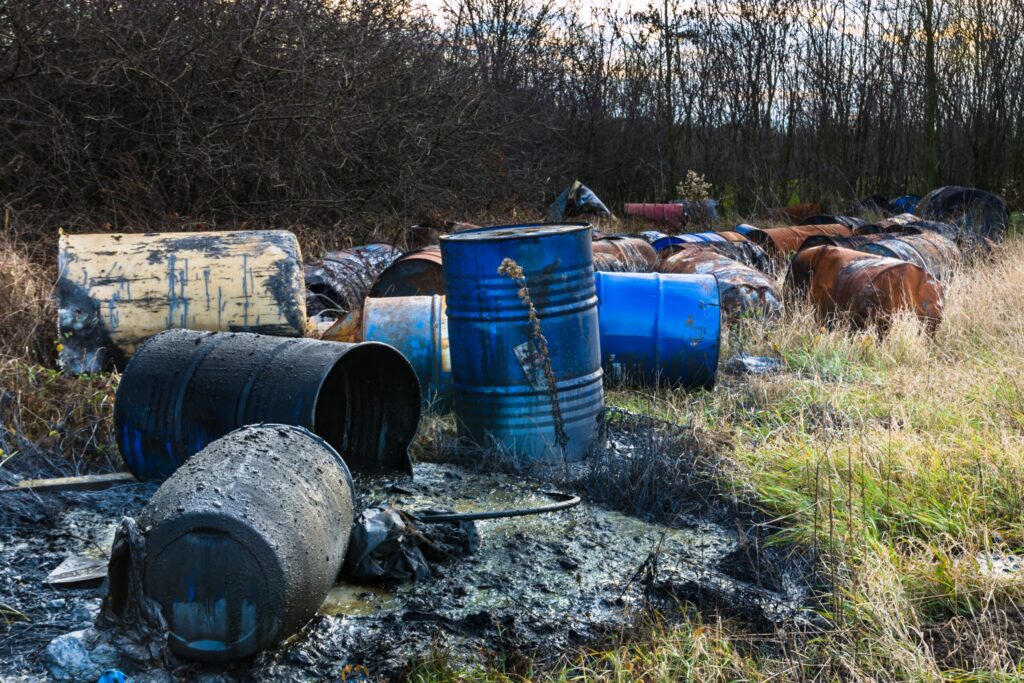
A chemical storeroom can be one of the most danger A chemical storeroom can be one of the most dangerous places on a farm if not managed correctly. If the storeroom is not managed properly, staff can be exposed to infections or injuries with long-term consequences.

Here are some guidelines one can follow to ensure the health and safety of your staff is not at risk:
• Doors: Steel door with effective locks (a wooden door may be used if a metal plate is installed on the interior side).
• Windows: 8 mm wired glass with burglar bars for security.
• Spillage containment (bunding): 200 mm bunding at the entrance.
• Signage: The chemical room must have the correct warning signage labelling the area.
• Eye wash station: An eye wash station containing the correct eye-cleaning equipment must be available in the storeroom.
• Material Safety Data Sheets (MSDS): MSDS must be available to all personnel.

For more information on making your work environment safe, visit the SIZA Resources tab, where you will find the health and safety guidelines. You are welcome to contact Wian van Niekerk if you need any help on this matter at 021 852 8184 / wian@siza.co.za.
Retailers face growing pressure to prove their pro Retailers face growing pressure to prove their products are ethically and sustainably sourced — and they’re choosing supply chain partners who can deliver traceability, transparency, and compliance.

As a SIZA subscriber, you’re already ahead:
• The Ethical Module ensures fair labour, ethical recruitment & grievance processes
• The environmental module and SIZATrack360 programme comply with sustainability requirements.
• The SIZA Platform tracks and shows risk and continuous improvement with an integrated farming principle
• Documentation and Data are credible and provide absolute traceability that retailers can trust.

Retailers don’t just want certificates; they want proof in support of progress underwritten by impact data.
Agricultural producers are embracing the recycling Agricultural producers are embracing the recycling of empty chemical containers due to financial incentives and increased access to private recycling services. While having positive intentions, it is important to ensure hazardous materials are recycled in compliance with applicable regulations. The temporary storage of empty chemical containers for reuse, recycling, or disposal is governed by SANS 10206:2020 (Annex D).

It is preferred that the empty chemical containers be returned to the local supplier or a registered disposal company. Thus, the empty containers must be temporarily stored on-site until they are collected. 

The requirements for the temporary storage areas for empty chemical containers are as follows:
• Empty containers should be triple rinsed
• Empty containers should be punctured/shredded if for disposal (not necessary for reuse)
• Empty pesticide containers should be protected similarly to full pesticide containers
o Stored securely under lock-and-key (including access restricted to people and wildlife).
o Have relevant signage.
o Floor is non-porous and bunded.

Failing to adhere to the above legal requirements may result in a minor or major finding during a SIZA Environmental audit, depending on the extent of non-compliance. Thus, following the considerations presented above reduces environmental risks and enables suppliers to effortlessly comply with SANS 10206:2020.
Let’s talk about Corrective Actions on the MySIZA Let’s talk about Corrective Actions on the MySIZA Platform! As a business owner, farmer, or employee, managing the SIZA platform might not be your everyday focus and that’s okay. We're here to help make the process simple and stress-free.

One of the most common questions is: “Where do I upload my corrective actions after my audit?” Here’s your step-by-step guide:
• Log into your MySIZA profile
• Go to the “Audits” tab at the top
• Click the audit name you’re working on
• Inside the audit record, go to the “CAPs” tab and select “View All”
• Click the Response Number to view and upload a corrective action
• Scroll down and click “Upload Files” – select your document and hit “Open”
• You’ll see the file under “Response Files Uploaded” – don’t forget to Save!

Once your corrective actions are uploaded and signed off by the auditor, your audit status will change from “Approved” to “Completed”.

You can then download your Audit Completion Letter (certificate) from the Files tab in the audit record and your audit is complete! 

Need help? Contact Wian van Niekerk at wian@siza.co.za or 021 852 8184.
Diesel and other fuels are typically stored in bul Diesel and other fuels are typically stored in bulk on farms, especially those located far from fuel depots. Therefore, it is important to understand the requirements that govern the storage of fuels on farms. 

The above-ground storage of fuels is governed by SANS 10131:2004 (for capacities below 200m3), and by SANS 10089-1:2008 (for capacities of 200m3 or above); while below-ground storage is governed by SANS 10089-3:2010. These directly link to Code requirement 2.2 of the SIZA Environmental Standard: “Products used and processes followed during production, packing and processing activities have the aim to avoid environmental contamination.”

For above-ground fuel storage, it is important to ensure the following:
• Fuels are stored on a bunded non-porous floor (with no cracks).
• The bunding must have a volume of at least 110% of the total capacity of the fuel tank.
• If a valve/drain is present, it should be closed/sealed.
• The storage should be well away from water sources.

When fuels are stored below ground, one must also ensure:
• A pressure test is conducted at least every five years.
• The excavated area will be lined with non-porous materials (i.e., cement with no cracks).

With these regulations in mind, producers may safely store fuels on-site without unnecessary environmental or human life risks while simultaneously complying with code requirement 2.2 of the SIZA Environmental standard.
Today, we recognise and appreciate the dedication, Today, we recognise and appreciate the dedication, resilience, and hard work of people across all sectors who keep things moving every day. From fields and factories to offices and logistics, every role plays an important part in building strong, sustainable industries.

It’s also a moment to reflect on the value of safe workplaces, fair practices, and opportunities for growth, foundations that support both individuals and the broader community.
Both Temporary Employment Services and work sites Both Temporary Employment Services and work sites share the responsibility of verifying employees' right-to-work documents. It's crucial for TES to ensure all workers have valid documentation before starting services. Work sites must regularly check these documents and maintain proper records.

For more details on the requirements please follow the link below:
https://siza.co.za/wp-content/uploads/The-SIZA-Programme-TES-2026.pdf
The animal ecology section within the SIZA Environ The animal ecology section within the SIZA Environmental Standard presents an opportunity to structure the approach towards environmental management and livestock management:
• Accurate nutrition: Ensuring animals receive a well-balanced diet with proper storage and monitoring of feed and water intake promotes optimal health and weight management.
• Health monitoring: Regular veterinary health checks, vaccinations, and treatments prevent diseases and ensure the well-being of your animals.
• Breeding strategies: Implementing ethical breeding practices improves your livestock's overall health and quality.
• Grazing Plans: Reducing the need for bought-in feed as far as possible through effective grazing strategies supporting sustainable resource management.
• Legal and Ethical Compliance: Adhering to legal and ethical standards protects both the producer and animal from malpractice.
Following these guidelines creates a healthier, more sustainable environment for your animals and your farm.

For more information, please contact Matthew Wessels at mattheww@siza.co.za or 0218528184.
As local and international markets demand transpar As local and international markets demand transparency, ethical sourcing, and sustainability requirements, the SIZA programme gives buyers the confidence to partner with South African suppliers.

What we offer to markets and buyers:
• End-to-end visibility across the South African supply chain
• Credible third-party audits aligned with international standards
• Ongoing risk monitoring and improvement tracking
• Comprehensive data access through verified assessments and reports on the world-class MySIZA platform
• Data to support Due Diligence requirements

From farms to packhouses and processing facilities, SIZA ensures that your suppliers in South Africa meet ethical and environmental expectations. Register an account on the MySIZA platform today to support your compliance and sustainability efforts.
Today is a moment to reflect on the value of freed Today is a moment to reflect on the value of freedom in our daily lives—the ability to make choices, to grow, and to contribute meaningfully to our communities.

It’s also a reminder that freedom comes with responsibility: to respect one another, to act with integrity, and to help create environments where everyone has the opportunity to thrive.
Water shortages affect us all, from farms to packh Water shortages affect us all, from farms to packhouses and beyond. Responsible water use remains a key focus of sustainability across agricultural supply chains. Implementing water-saving practices, monitoring usage, and documenting controls supports environmental resilience and strengthens your social and ethical compliance profile. Small actions today contribute to long-term water security.

Responsible water use is both a sustainability priority and a shared legal responsibility between management and workers.
• Employers must implement water-saving systems, maintenance plans, and training
• Workers play a critical role through daily water-wise practices
• Leaks, overuse, and poor controls increase operational and compliance risk

South African legislation, such as the National Water Act, places a duty on users to prevent waste and use water efficiently. The Occupational Health and Safety Act requires employers to provide safe and sufficient water in the workplace. Ethical trade includes caring for our shared natural resources!

For more information, feel free to contact the SIZA office at 021 852 8184 or email enviro@siza.co.za.
The Basic Conditions of Employment Act (BCEA) enti The Basic Conditions of Employment Act (BCEA) entitles employees to three days of paid family responsibility leave per annual leave cycle.

A couple of things to remember:
• Family responsibility leave is granted under Section 27 of the BCEA.
• It applies to employees who have been with their employer for four months or longer and work more than four days a week.
• If more than three days are needed, employees may use their annual leave to cover the extra time, and this should be discussed with the employer as soon as possible.
• Employers can request reasonable proof of the event, such as a medical or death certificate.

For more information, refer to the SIZA Working Hours and Wages Guideline on the MySIZA data platform or contact the SIZA office at wian@siza.co.za / 021 852 8184.
Today is a reminder that the small choices we make Today is a reminder that the small choices we make every day shape the future of our planet. Earth Day isn’t just about awareness, it is about action, responsibility, and progress.

From the way we farm and produce, to how we consume and care for natural resources, every step toward sustainability matters. Protecting our environment goes hand in hand with building resilient communities, ethical supply chains, and a future we can be proud of.

Take a look at SIZA's Caring for the Environment video here: https://www.youtube.com/watch?v=xxlYH7EErqY&t=1s
Today, 21 April, marks a true milestone for SIZA, Today, 21 April, marks a true milestone for SIZA, officially 10 years since we were registered as a free-standing entity.

Over the past decade, we have grown and evolved, working tirelessly to build a programme that stands for credibility, trust, and continuous improvement. We are incredibly proud to serve as a reliable partner to our South African agricultural stakeholders and to the many global buyers who place their confidence in SIZA to support responsible sourcing from South Africa.

This journey has been shaped by dedication, resilience, and strong partnerships, and we are excited for what lies ahead as we continue to grow and strengthen ethical and sustainable trade in our industry.
When you have pending visibility requests from buy When you have pending visibility requests from buyers and exporters on the MySIZA platform, link requests either need to be approved, so that markets have visibility of relevant data, or revoked, should you not wish to grant markets visibility to the specific buyer of your information. 

If you are unsure whether you supply to a particular market, please confirm with your first-level buyer (exporter) before responding. It is important to select an option as requests should not be left unresolved. If you remain uncertain, revoke the request, and your buyer will follow up with you if visibility of your compliance data is needed. It is important to note that buyers at every level of the supply chain must be linked directly to your profile to ensure traceability.

For more information, please contact Ashley Robinson by emailing ashley@siza.co.za.
Biodiversity is a vital part of sustainable agricu Biodiversity is a vital part of sustainable agriculture and a core element of the SIZA Environmental Standard. Whether you’re involved in farming or packing, maintaining the balance between production and the surrounding ecosystem is crucial. Your Biodiversity Assessment helps verify that your operations support, rather than harm, the natural environment.

During a third-party audit, the following elements may be reviewed:
• Key water sources (rivers, wetlands, seep zones)
• Critical vegetation types
• Fauna & flora inventories across natural and production areas
• Partnerships with conservation groups (Cape Nature, WWF, etc.)
• A detailed biodiversity map of your site

Protecting nature means protecting your future. Let’s work together to create resilient, responsible, and nature-positive production systems.
For more information or assistance with your biodiversity assessment, contact Wian van Niekerk at wian@siza.co.za or call 021 852 8184.
Save the date! Join us for the SIZA Conference 202 Save the date! Join us for the SIZA Conference 2026 on 19 August 2026, from 09:00 – 17:00.

This is a virtual conference with limited in-person attendance.

More details and registration options will be announced soon.
Through strategic partnerships with global platfor Through strategic partnerships with global platforms like Sedex, SIZA avoids duplication and gives suppliers affordable access to international markets without the complexity and cost of managing multiple systems. A SIZA-managed Sedex profile offers clear benefits across the supply chain.

Why choose a SIZA-managed Sedex profile?
• Cost-effective: By managing profiles collectively, suppliers benefit from rates that remain significantly lower than fluctuating global Sedex fees without needing their own in-house capacity to manage and monitor global platforms.
• Avoid duplication: Complete a SIZA Social audit, and SIZA transfers the data to Sedex. Although Sedex is independent from SIZA, this user-paid service streamlines the process. This means fewer audits, fewer platforms, and easier compliance for producers while buyers can continue sourcing via their preferred global platform. SIZA also provides, as part of the Self-Assessment Questionnaire on the MySIZA Platform, easy access to additional questions required by Sedex. This allows for an all-in-one approach, avoiding duplication of completing information across multiple platforms.
• Convenience & confidence: SIZA creates and manages Sedex profiles on behalf of suppliers, ensuring audits and SAQ data are accurate and kept up to date. Visibility links between suppliers and buyers are also managed seamlessly, saving time, reducing admin, and ensuring ongoing market access.

Smarter compliance. Stronger market access. Less admin. That’s the SIZA advantage. For more information, please contact Ashley Robinson at ashley@siza.co.za
As part of the SIZA Voice for All programme, Marie As part of the SIZA Voice for All programme, Marietjie Bezuidenhout and Petra Nel of @procare_emotional_wellness facilitated a valuable training session with the SIZA team, focusing on effectively managing grievances and complaints that are lodged through the SIZA platforms.

Under the theme “From Concern to Confidence: Managing Calls and Grievances with Care,” the session equipped staff with practical tools to respond with empathy, professionalism, and accountability, ensuring every voice is heard and treated with respect.
A lot of organisations in the agricultural sector A lot of organisations in the agricultural sector provide transport to and from work to their employees. 

Here is some guidance you can use to protect the organisation and your employees from potential risks:
• The organisation should ensure that it has a transport policy and procedure in place. The policy and procedure should be specific to agriculture and appropriate to the size and nature of the business.
• Conduct a thorough risk assessment, as regularly as possible, to ensure all types of vehicles are included.
• All employees must be informed of potential hazards, rules and regulations regarding transport; this can be included in your induction training.
• Make sure all drivers are competent. Check this through evaluation and safety protocols.
• Documentation and recordkeeping must also be implemented, such as recording transport activities, incidents, and activities and keeping track of who uses the transport.

For more information on the transport of employees, feel free to refer to the SIZA Transport in Agriculture Guideline which can be found on your MySIZA profile.
You are also welcome to email Wian van Niekerk at wian@siza.co.za or contact SIZA at +27 (21) 852 8184.
Follow on Instagram

Company

  • About Us
  • Why SIZA
  • Grievances
  • Newsletters
Logo
Navigating sustainability and compliance within South Africa's dynamic agricultural sector.

Contact Information

10 Niblick Way,
Section 5, The Beachhead,
Somerset West 7130 | South Africa
+27(0) 21 852 8184
  • Terms & Conditions
  • Logo Usage
  • MySIZA Platform