


Can I Get an “Extension” on My SIZA Audit Completion Letter Expiry Date?
The question of obtaining an “extension” on an existing SIZA audit period is often raised by businesses, particularly when operations have been affected by a serious natural disaster or severe weather event. The short answer is “no”, and there are several important reasons for this: SIZA Audit Validity Periods Already Support Continuous ImprovementThe SIZA audit…

Two Sides of the Same Coin: Understanding the Difference Between Discipline and Grievance Processes
Healthy workplace relationships depend on more than compliance with labour legislation. They require trust, communication, accountability, and fair processes that allow both employers and employees to address workplace issues appropriately. Two key mechanisms that support this are the disciplinary and grievance processes. Although these processes are often discussed together, they serve very different purposes and…
Navigating Compliance During Natural Disasters
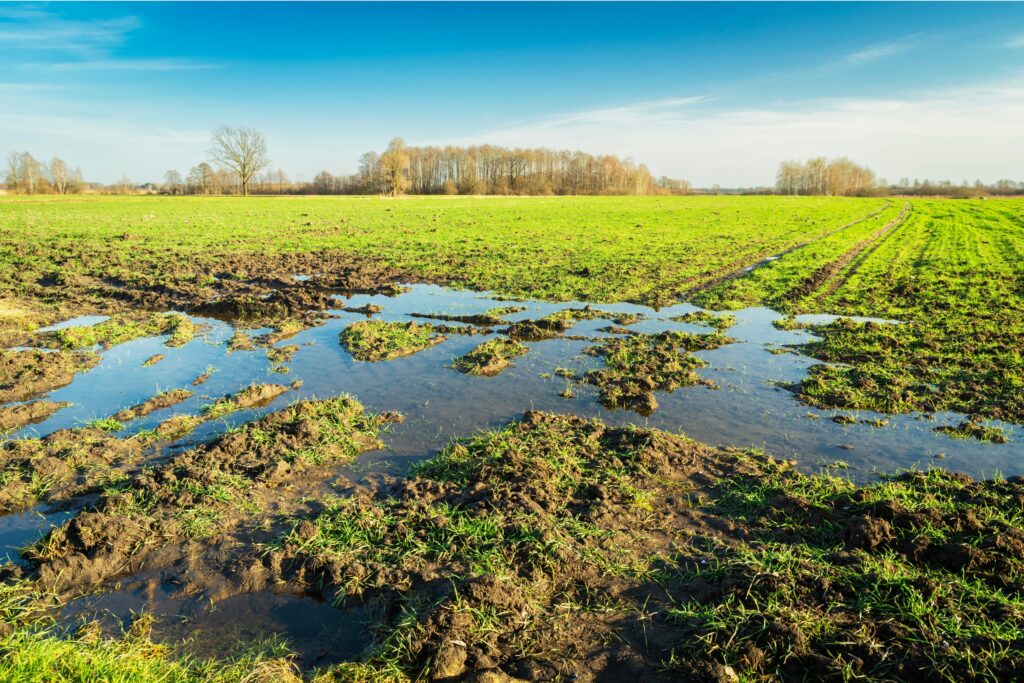
Recent floods, storms and severe weather events across South Africa have placed enormous pressure on agricultural producers, packhouses and rural communities. In several regions, farms have experienced widespread damage to roads, worker housing, fencing, drainage systems, sanitation infrastructure, storage facilities and operational areas. In the wake of these events, an important discussion has emerged within…

Ensuring Audit Excellence: How SIZA assures stakeholders that Audit firms and Auditors maintain Competency and Credibility
The credibility of the SIZA programme is built on the strength and integrity of its third-party audit approach. Central to this is the competency of the audit firms responsible for conducting Social (Ethical) and Environmental audits. These firms play a critical role in ensuring that audit outcomes accurately reflect on-the-ground practices, while meeting both local…

An Update on the SIZA Subscription Fees for 2026/27
As we enter a new financial year, we would like to thank all our subscribers and partners for their continued support of SIZA and our shared commitment to responsible and sustainable agricultural compliance practices in South Africa. SIZA’s financial period runs from April 1st to March 31st each year. Like many organisations, the SIZA Board…

Overtime on a Sunday in Agriculture: Getting the Wages Calculation Right
In the agricultural sector, working beyond standard hours is often unavoidable, especially during peak periods or when essential tasks cannot be delayed. Sundays, in particular, may require attention to critical operations such as irrigation, livestock care, or equipment monitoring. While this is part of the reality of farming, it is important for employers to understand…
Emergency Work in Agriculture: Understanding Compliance and Audit Expectations
In the agricultural sector, operations are often dictated by factors beyond human control, such as weather events, animal health, perishable produce, and time-sensitive harvests. As a result, urgent or unforeseen work outside normal hours is not uncommon. However, from a legal perspective, not all urgent work automatically qualifies under compliance requirements as “emergency work.” Let’s…

Fuel Pressures, Farming Adaptation, and the Path to a Lower Carbon Future
Rising fuel prices and shortages, driven in part by disruptions in global oil supply chains, highlight the agricultural sector’s heavy reliance on fossil fuels. Diesel and petrol are major contributors to greenhouse gas emissions, and every activity mentioned—ploughing, planting, irrigation, and transport—adds to a farm’s carbon footprint. As fuel becomes more expensive and perhaps scarce,…
