As another citrus and pome fruit season draws to a close in South Africa, the outcomes provide an important opportunity for the entire supply chain to reflect on progress, identify persistent challenges and consider where further improvements are needed.
For exporters, importers and retailers, understanding what happens at the production level is essential to responsible sourcing. Audit results and corrective-action statistics provide valuable insight, but they tell only part of the story. The real measure of success is whether identified risks are addressed effectively and whether improvements are sustained in everyday business operations.
Through its work across more than 40 commodities, over 11 000 production sites and supply chains serving approximately 400 global markets, SIZA provides insight into the practical realities of responsible production in South Africa. These insights can help suppliers, exporters and international buyers work together towards stronger, more resilient and sustainable supply chains.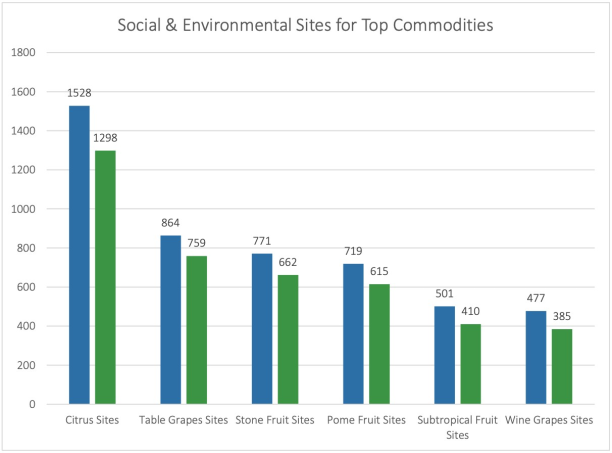
What do the latest season outcomes tell us?
Citrus and pome fruit remain among the most represented fruit sectors within the SIZA programme. Their scale and experience provide a valuable opportunity to assess progress over time and identify areas where targeted support and collaboration can make a difference.
One encouraging indicator is the rate at which suppliers have addressed findings raised during social and environmental audits over the past three years.
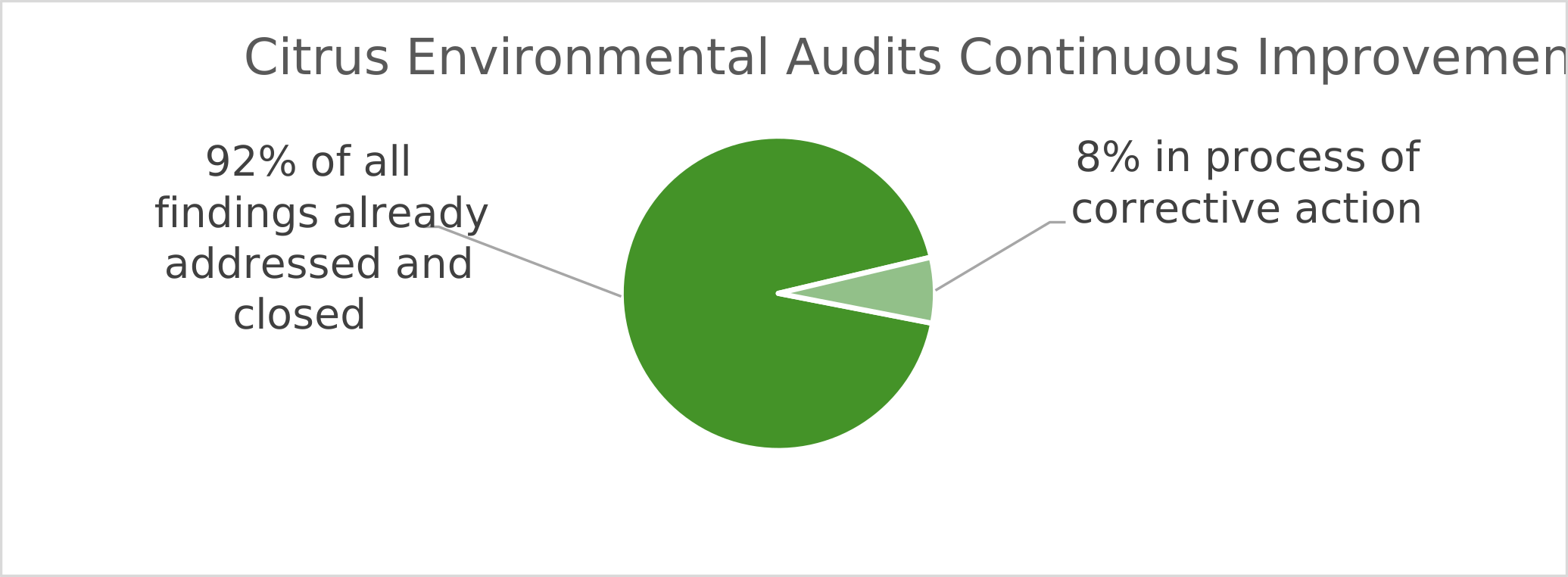
- Citrus: 93% of social findings and 92% of environmental findings have been closed.
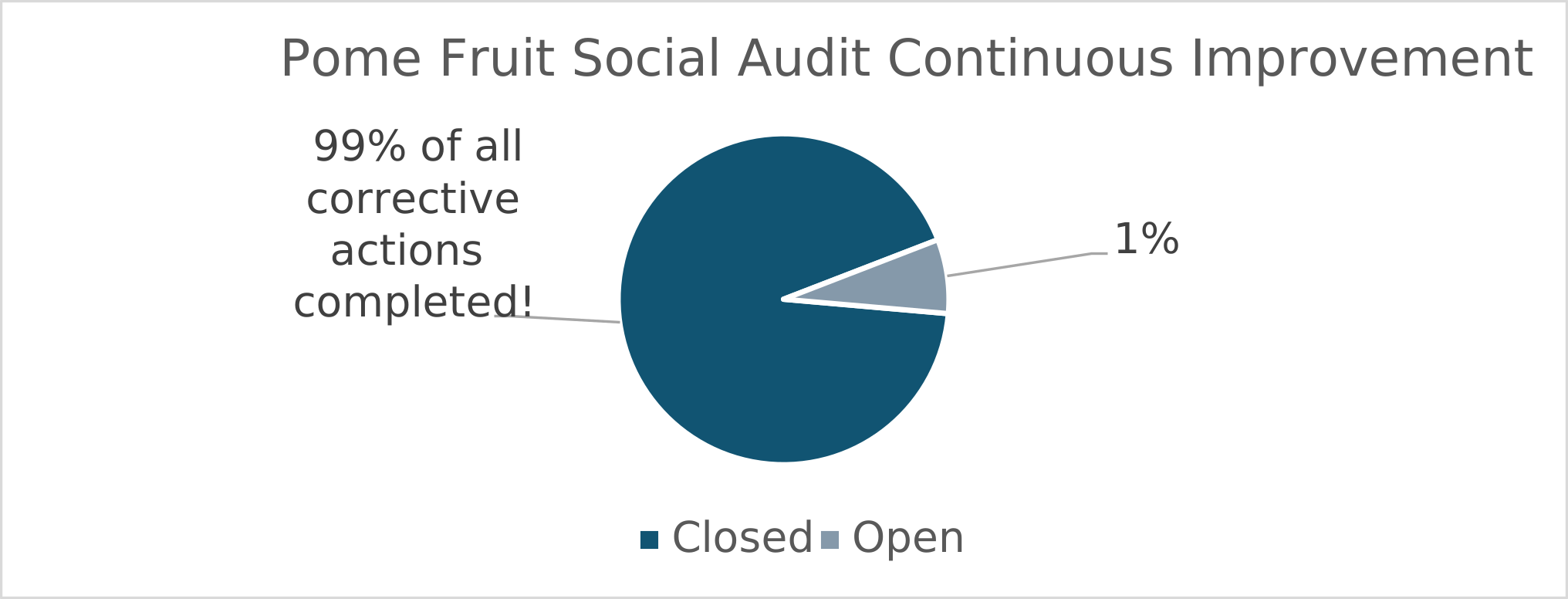
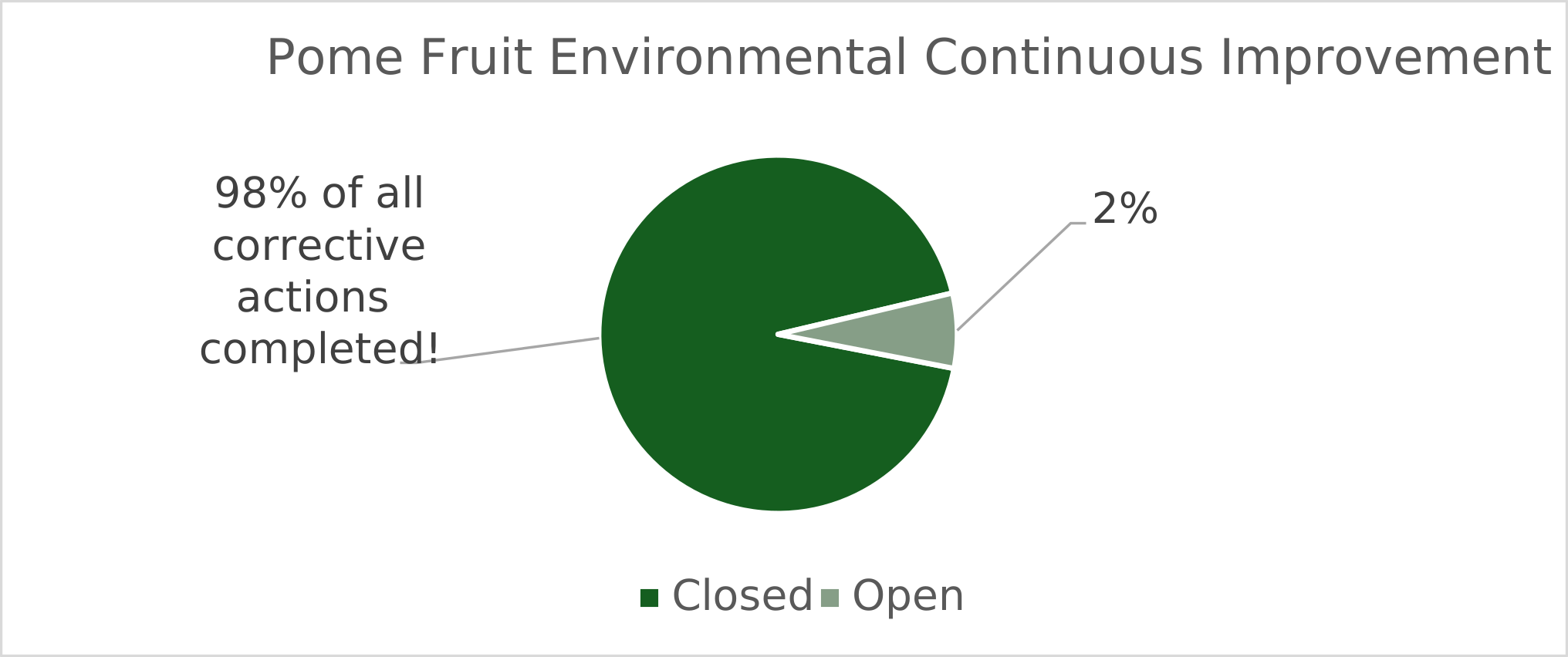
- Pome fruit: 99% of social findings and 98% of environmental findings have been closed.
These results reflect a strong commitment by suppliers to address identified non-conformances and strengthen their practices. However, corrective-action closure is not the end of the process. The next question is whether the corrective measures have resolved the underlying issue, reduced the likelihood of recurrence and become part of the business’s normal operating procedures.
For buyers, this distinction is important. Responsible sourcing is not simply about whether an audit has been completed or a finding closed. It is about whether the conditions that gave rise to the finding have improved and whether workers, businesses and the environment benefit from that improvement.
Where do the main compliance risks remain?
The 2026 season highlighted several recurring challenges across citrus and pome fruit production. While individual circumstances differ, the findings point to areas where earlier planning, stronger internal controls and better recordkeeping can help suppliers manage risks more effectively.
Social compliance priorities include:
- Working hours and overtime exemption permits.
- Recruitment processes and verification of foreign nationals’ legal right to work.
- Management and oversight of Temporary Employment Services (TES).
- Worker accommodation
Environmental compliance priorities include:
- Starting to complete data to calculate carbon footprints.
- Municipal waste-removal challenges.
- Uncovered evaporation pits and the associated environmental risks.
Many of these challenges require attention well before the season reaches its busiest period. Employment documentation, labour arrangements, accommodation standards and environmental controls are easier to manage when responsibilities are clearly assigned, and systems are reviewed regularly.
For exporters and importers, these recurring findings can inform supplier engagement and risk-based support. For retailers, they offer insight into where supply-chain collaboration can help prevent recurring non-conformances rather than simply respond to them after an audit.
Three-year progress: evidence that improvement is possible
Looking beyond individual seasons allows us to identify trends and assess whether interventions are making a difference.
Working hours and wages
Over the past three years, social audit results for citrus and pome fruit suppliers have shown a reduction in findings relating to working hours and wages.
Across the two sectors, findings associated with these principles decreased from a cumulative 19% to 14% in the most recent period. Citrus suppliers recorded a decrease of six percentage points, while pome fruit suppliers recorded a four-percentage-point decrease in findings relating to wages, benefits, terms of employment and working hours.
This progress is encouraging, particularly because working hours and wages remain important areas of focus in agricultural supply chains. Seasonal production demands, changing labour requirements, and the management of temporary workers can place pressure on systems if planning and monitoring are insufficiently robust.
Continued improvement will depend on suppliers maintaining accurate employment records, monitoring working hours throughout the season and ensuring that employment practices remain aligned with applicable legal and buyer requirements.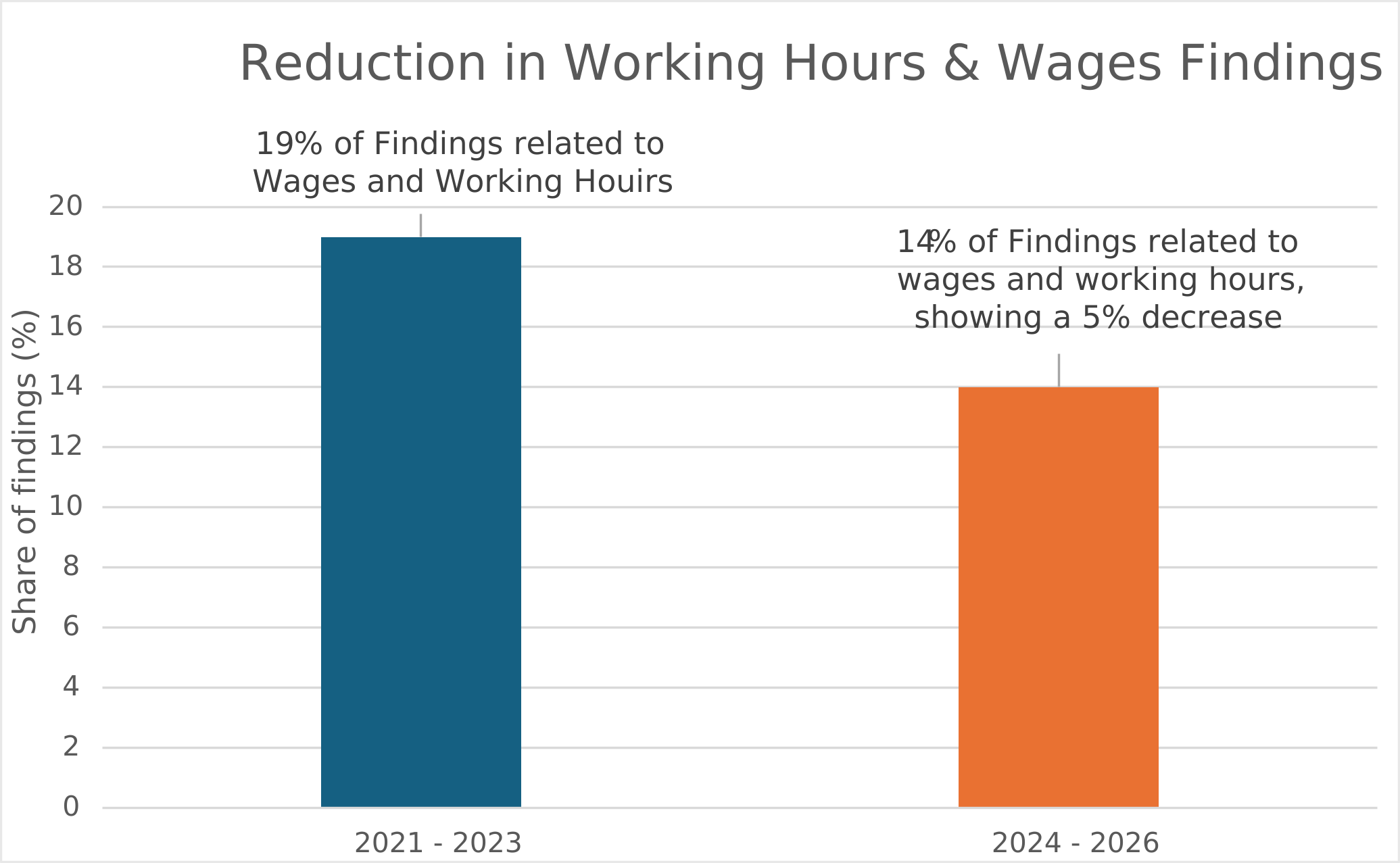
Reducing duplication through environmental audits
Environmental compliance also demonstrates how collaboration can create practical benefits for suppliers while supporting international market access.
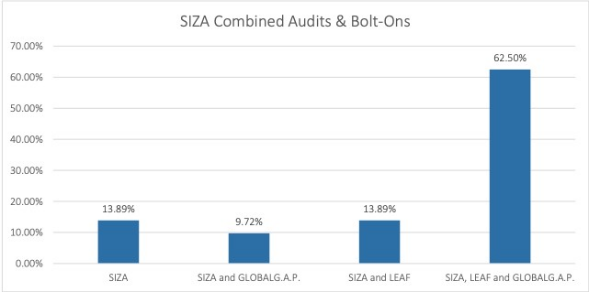
Through SIZA’s combined audit options with GLOBALG.A.P. IFA and the LEAF Bolt-on, suppliers can reduce duplicated processes and make more efficient use of audit resources. More than 62% of suppliers have opted for the combined environmental audit option. This approach helps address a challenge experienced across global agriculture: the pressure of overlapping standards, assessments, and buyer requirements.
For suppliers, combining audit processes can reduce time and cost, ease audit fatigue and support access to different markets. For exporters, importers and retailers, better-aligned approaches can improve visibility and reduce unnecessary duplication without losing sight of the underlying compliance requirements.
The objective is not to reduce the importance of verification, but to make it more efficient and meaningful, allowing greater attention to be directed towards actual improvements at the production level.
Environmental data: turning recordkeeping into action
Accurate environmental data is becoming increasingly important as buyers place greater emphasis on carbon emissions, water use, energy consumption and fuel management. The idea of audit monitoring, especially where SIZA offers two- and three-year audit validity periods, is a focal point. With the SIZATrack360 digital programme, monitoring throughout the year is possible and in support of the SIZA Environmental Standard requirements.
SIZATrack360 helps suppliers capture environmental information and develop a clearer picture of their operations. This information can help businesses identify inefficiencies, track performance and make more informed decisions about resource use and environmental management. At the time of the September citrus forum, 192 businesses were capturing information through SIZATrack360 across 429 production sites, with 19 carbon footprint reports completed. While participation in environmental data collection is encouraging, the completion of carbon footprint assessments and the consistent maintenance of supporting records remain areas for further improvement. Collecting information is only the first step. The value lies in using that information to understand performance, identify opportunities for improvement and respond to evolving market expectations. Timely, reliable environmental reporting can also help suppliers prepare for buyer requests between audit periods, with greater confidence.
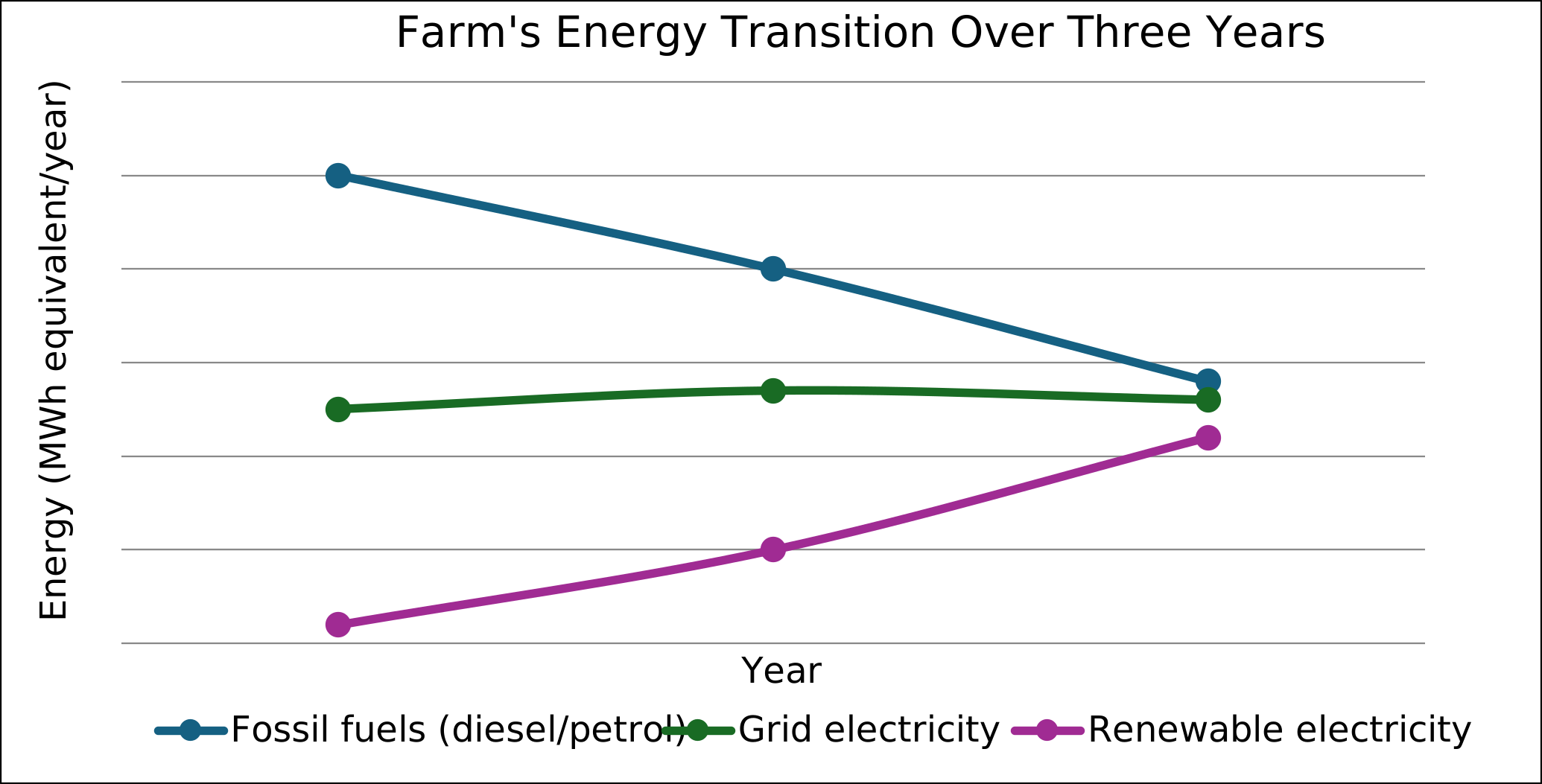
For international buyers, these developments reinforce the importance of supporting practical systems that help suppliers measure and improve their environmental performance, rather than placing the emphasis solely on reporting requirements. Below is a best-practice example of how businesses can track efficiencies over time through the SIZATrack360 programme. This farm can show that its fossil fuel energy consumption reduced by 44% over three years, whilst renewable energy increased 11-fold. Buyers can do the same with their supply chain to see how all their suppliers perform over time.
What still needs attention?
Despite encouraging progress across both sectors, some findings persist, even among established suppliers with more than a decade of audit experience.
Responsible recruitment, effective TES oversight and environmental recordkeeping continue to require attention. These are not issues that can be resolved through audit preparation alone. They depend on sound management practices, clear accountability and consistent implementation throughout the year.
This is also where the relationship between suppliers and buyers matters. Suppliers need clear expectations, sufficient time to prepare and practical guidance on addressing risks. Buyers, in turn, benefit from engaging with their supply chains to understand the context behind findings and to encourage solutions that address root causes.
Where the same issues recur, the focus should shift from closing individual findings to understanding why they continue to arise. This may involve reviewing management systems, strengthening staff training, improving contractor oversight or allocating resources to address operational weaknesses.
A more collaborative approach allows audit results to become a starting point for improvement rather than an endpoint.
From Audit Findings to Lasting Improvement: What Can We Do Together?
The latest citrus and pome fruit seasons demonstrate that progress is possible, but also that compliance is an ongoing process.
- For suppliers, the opportunity lies in preparing earlier, strengthening internal monitoring, maintaining reliable records and addressing corrective actions promptly. Compliance should form part of daily operations, rather than becoming a priority only when an audit approaches.
- For exporters and importers, closer engagement with producers can help identify risks earlier, improve the flow of information and ensure that corrective actions are practical and appropriate to the circumstances at the production level.
- For retailers, season-on-season results offer a valuable opportunity to look beyond individual audit outcomes and consider broader trends. Understanding which risks are improving, which persist and where suppliers need support can help shape more effective sourcing strategies and more targeted interventions.
Across the supply chain, a shared commitment to improvement can help ensure that findings lead to meaningful change. This requires clear expectations, open communication, appropriate support and a willingness to learn from both progress and setbacks.
Listening to Workers: Turning Feedback into Meaningful Change
Audit findings provide valuable insight into workplace risks, but listening directly to workers offers another important perspective on what happens on the ground. Through SIZA’s Voice for All programme, workers can raise concerns and share their experiences, helping businesses identify issues that may not always be visible during an audit. However, providing a channel for workers to speak up is only the first step.
Trust is built when every concern is taken seriously, investigated appropriately and addressed through meaningful remediation, regardless of whether it appears minor or severe. When workers see that their feedback leads to action, they are more likely to trust the process and use it with confidence. For suppliers, this creates an opportunity to identify risks earlier, strengthen workplace relationships and prevent recurring issues. For exporters, importers and retailers, effective grievance management provides valuable insight into working conditions and demonstrates a commitment to responsible sourcing that goes beyond audit results. Ultimately, a trusted worker voice mechanism is measured not only by the number of concerns raised but also by how effectively those concerns are resolved and how the lessons learned contribute to lasting improvement.

Growing responsibly, together
Responsible sourcing is strongest when everyone in the supply chain understands their role in driving improvement.
The outcomes of the latest citrus and pome fruit seasons show encouraging progress in corrective-action closure and reductions in selected social findings. They also highlight the importance of continuing to address recurring labour and environmental risks while improving the quality and use of environmental data.
Ultimately, compliance is not simply about passing an audit. It is about using evidence to identify risks early, protect workers, strengthen businesses, and support responsible production and environmental practices over time. By learning from season-on-season outcomes and working together to address the remaining challenges, suppliers, exporters, importers and retailers can help build more resilient South African agricultural supply chains and deliver meaningful, lasting improvements on the ground.